Home / Rig Maintenance and Troubleshooting
Rig Maintenance & Troubleshooting: What Actually Goes Wrong
Routine upkeep and how to recognize off-ratio spray foam before it becomes a real problem — plain, practical guidance.
Home / Rig Maintenance and Troubleshooting
Routine upkeep and how to recognize off-ratio spray foam before it becomes a real problem — plain, practical guidance.
Inlet and in-line filters catch debris before it reaches the pump — a clogged filter is one of the most common causes of pressure imbalance.
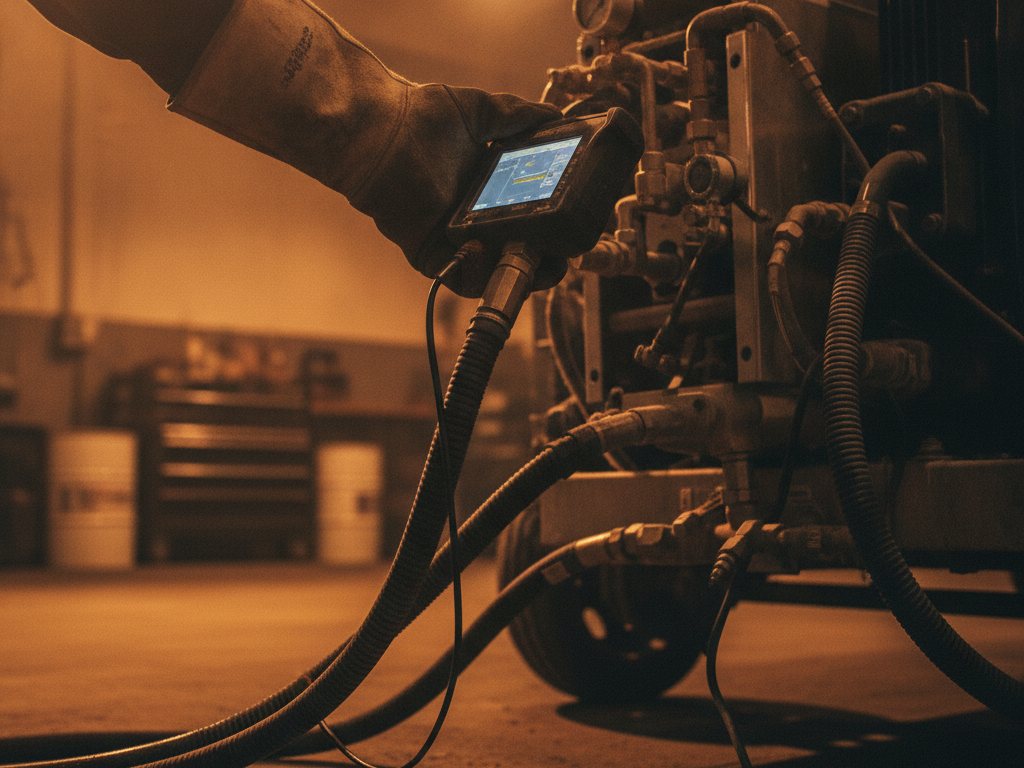
Check heated hoses for physical damage, kinks, and consistent temperature end-to-end. A cold spot anywhere along the line affects the reaction.
Pump seals wear over time and are a routine wear item, not a sign something is broken — inspect and replace on a schedule, not just after a failure.
The spray gun's mixing chamber needs regular cleaning to prevent buildup that affects spray pattern and mix quality.
"Off-ratio" means the A side and B side chemicals didn't combine in the correct 1:1 proportion when they were sprayed. The foam can still expand and look reasonable on the surface, but it may not cure properly — affecting cell structure, adhesion, and long-term performance. It's a chemistry problem caused by a mechanical one: something in the rig's delivery chain let the two sides drift out of balance.
Foam that feels tacky or doesn't fully expand, a persistent strong odor well after application, discoloration, or a brittle/crumbly texture instead of a firm, consistent cell structure — any of these can indicate an off-ratio application worth investigating.
Pumps and valves wear unevenly over time, gradually shifting the ratio even without a sudden failure.
A failing heater element or thermostat lets one line run cooler than the other, throwing off viscosity and ratio.
Cured material buildup in the mixing chamber restricts flow and disrupts the spray pattern.
Cold jobsite conditions make it harder for the rig to maintain proper chemical temperature through the whole line.
Most commonly it traces back to one of a few root causes: a temperature imbalance between the A and B side lines, worn pump seals that change flow rate, a clogged filter restricting one side more than the other, or incorrect pressure settings. Any of these can shift the ratio away from the correct 1:1 mix, even when the rig otherwise looks and sounds like it's running fine.
Cold ambient temperatures make it harder for the rig to maintain the chemical temperature the reaction needs, which is why cold-weather jobs put extra strain on hose heaters and can increase the risk of off-ratio application if the equipment isn't keeping up. Most spray foam systems have a manufacturer-specified minimum surface and ambient temperature range — a well-maintained rig with properly functioning heaters can often still spray in cooler conditions, but it's a real variable, not something to ignore.