A Contractors Choice Agency resource
The Equipment Behind Every Spray Foam Job — Explained Plainly
The proportioner, the hoses, the gun, the generator — practical, plain-spoken education on the equipment that determines whether a job cures right.
The proportioner, the hoses, the gun, the generator — practical, plain-spoken education on the equipment that determines whether a job cures right.
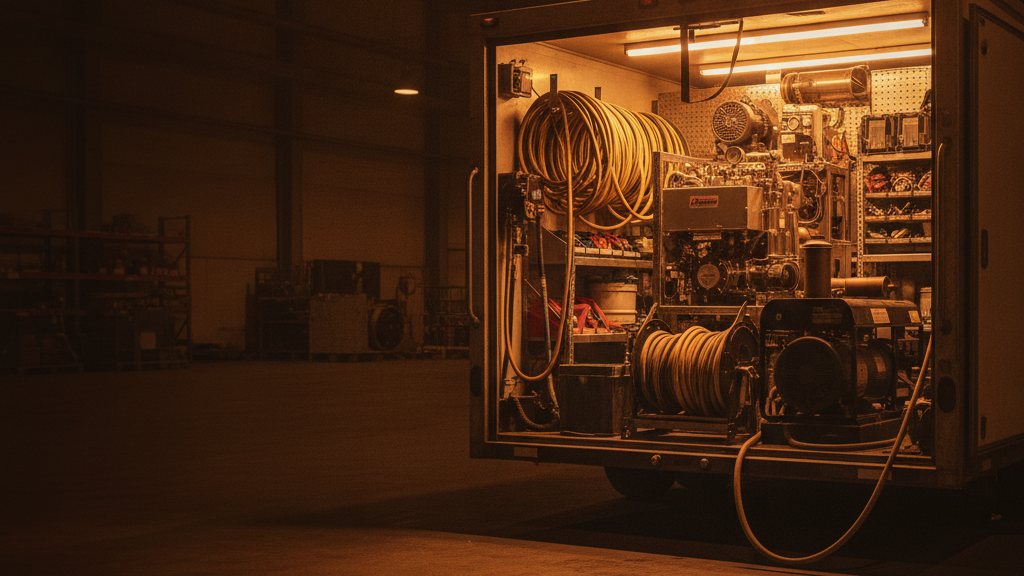
This site covers the real equipment and maintenance behind every spray foam job — the proportioner, the hoses, the gun, the generator.
On-ratio spray foam requires precise temperature and pressure control from start to finish — and that depends entirely on well-maintained equipment. A worn seal, a miscalibrated proportioner, or a hose that can't hold temperature doesn't always look like a problem on the surface. It shows up later, in cell structure, adhesion, and cure quality.
This isn't abstract — it's the mechanical reality behind every spray foam job. Understanding it helps contractors keep their equipment dialed in, and helps homeowners know what questions are actually worth asking.
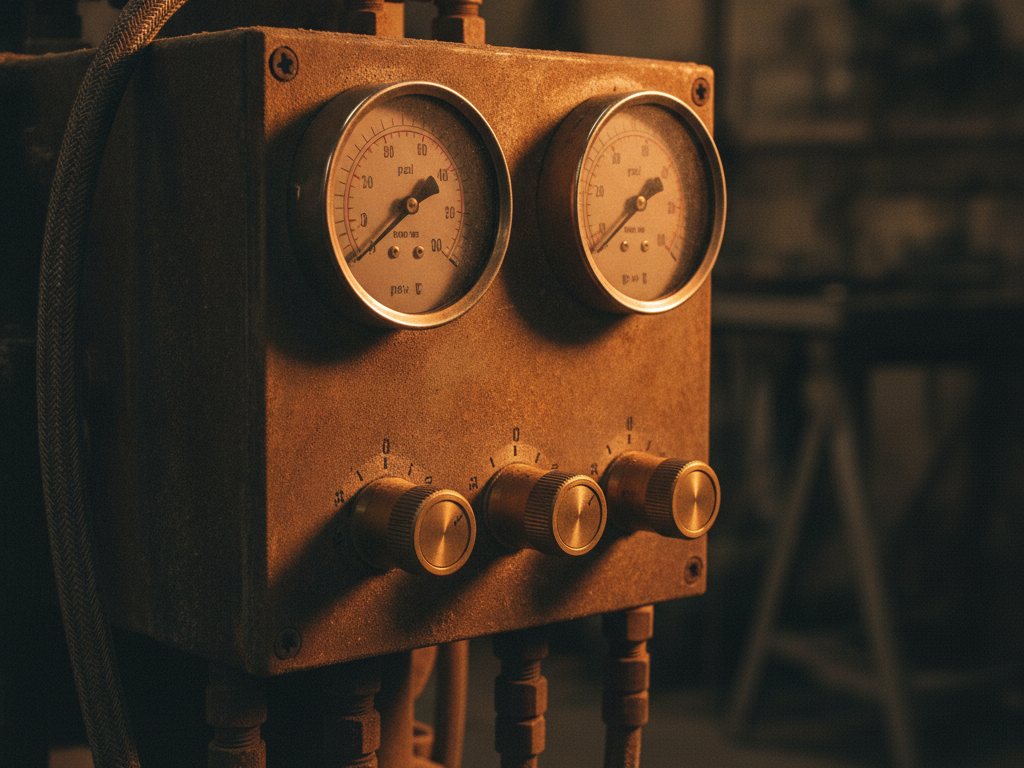
Usually a temperature or pressure imbalance between the A and B sides.
Heated hoses maintain the chemical temperature needed for a proper reaction.
Worn seals and fittings are a routine maintenance item, not a mystery.
The whole rig depends on stable power — generator upkeep is not optional.
A few quick details about your space and location.
From CCA's vetted spray-foam-contractor network.
No obligation. You stay in control of the decision.
A proportioner is the core piece of rig equipment that heats, pressurizes, and mixes the two spray foam chemical components (usually called the A side and B side) in the correct 1:1 ratio before they reach the spray gun. Getting that ratio right, consistently, is what separates a properly cured job from off-ratio foam.
It depends on square footage, whether you're using open-cell or closed-cell foam, ceiling height, and accessibility — there's no honest single number without a real estimate. A well-equipped, properly calibrated rig is part of what makes that estimate accurate in the first place.
Most commonly: temperature imbalance between the two chemical components, worn pump seals, clogged filters, or incorrect pressure settings. Off-ratio foam can look fine on the surface but cure improperly, which is exactly why routine rig maintenance and calibration matter.
Tell us about your project and we'll match you with a vetted, insured spray foam contractor who takes their equipment seriously — no cost, no obligation.